
Studio Layers Guide: The Pieces That Make Every Outfit Feel Finished
Layering pieces for outfits matter because most trend looks do not fail at the statement piece. They fail at the final decision around it. At GenZOutfit, Studio Layers gives lace, cool blue, poetcore, and polished evening looks the structure that makes them feel finished instead of almost finished.
Why this topic matters for GenZOutfit
Readers who search for layering pieces for outfits usually do not need a brand new aesthetic. They already have the lace top, blue dress, knit, or evening piece. What they need is the supporting item that stops the outfit from looking flat, unfinished, or too literal.
At GenZOutfit, the strongest destinations for that problem are Studio Layers, Tops, and Bottoms. Those collections make the styling advice actionable because they let the reader solve the finish problem without abandoning the style direction they already chose.
What Studio Layers means in a real wardrobe
Studio Layers is not another name for basics. It is the small group of pieces that makes a visible trend more wearable. A blazer can sharpen a powder blue look. A sweater can ground a softer poetcore outfit. A belt can give an evening dress hierarchy instead of leaving the whole result floating.
That is why these pieces convert so well. They are not the loudest items in the outfit, but they are often the reason the outfit finally works. In SEO terms, this page answers the utility search. In shopping terms, it helps the customer move from inspiration to a finished outfit.
How to choose the right finishing piece for the outfit you already have
Use the table below to choose the layer or finishing piece based on the styling problem you are trying to solve. That keeps the add-on purposeful instead of random.
| If you want… | Start with… | Why it works |
|---|---|---|
| The outfit feels soft but undefined | Add a structured layer like a blazer or high-collar jacket | A cleaner frame gives the focal piece stronger edges and stops the outfit from looking blurry. |
| The focal piece already has texture or detail | Add a finishing piece like a belt or sharper eyewear | A focused finisher adds polish without stacking more soft detail on top of the trend piece. |
| You need the same outfit to move from day to evening | Add one deeper layer or a stronger accessory | A single controlled change raises the impact without forcing a full outfit reset. |
The best finishing piece usually does less than people expect. It does not replace the look. It clarifies it.
Common mistakes to avoid with outfit finishing pieces
These are the habits that make supportive layering feel heavy instead of useful.
Adding another decorative piece instead of a supportive one
If the outfit already has lace, shine, bows, or dramatic color, the next decision should usually add structure, not more ornament.
Using a layer that hides the focal piece completely
A finishing layer should help the statement piece read more clearly. If it erases the reason for the outfit, it is solving the wrong problem.
Treating every trend the same way
Cool blue needs structure and clarity. Poetcore needs grounding. Evening dressing needs hierarchy. The right finishing piece changes with the trend world.
Waiting until the end to think about the finish
The best outfits usually decide the support piece early. That keeps the outfit coherent instead of patched together at the last minute.
4 mini case studies that show what Studio Layers actually do
Lace top + straighter bottom + clean blazer
A lace-led outfit already has softness. The blazer is there to tighten the edges so the lace reads intentional instead of overly romantic.
Powder blue dress + sharper outer layer + eyewear
Cool blue gets stronger when one structured piece and one controlled accessory stop the palette from feeling too delicate.
Soft knit + skirt + quiet bag
Poetcore works better when one practical item grounds the mood. The supporting layer should make the softness believable, not theatrical.
Evening dress + waist-defining belt + cleaner finish
A polished night look does not always need more sparkle. It often needs one finishing piece that gives the silhouette order.
Products to shop now
These pieces work as finishing tools because each one solves a different styling problem: structure, grounding, waist definition, or visual sharpness.
 Outerwear
Frost Blue Double-Breasted Blazer
A strong structured layer for readers who want cool-toned outfits to feel more expensive and less overly sweet.
 Outerwear
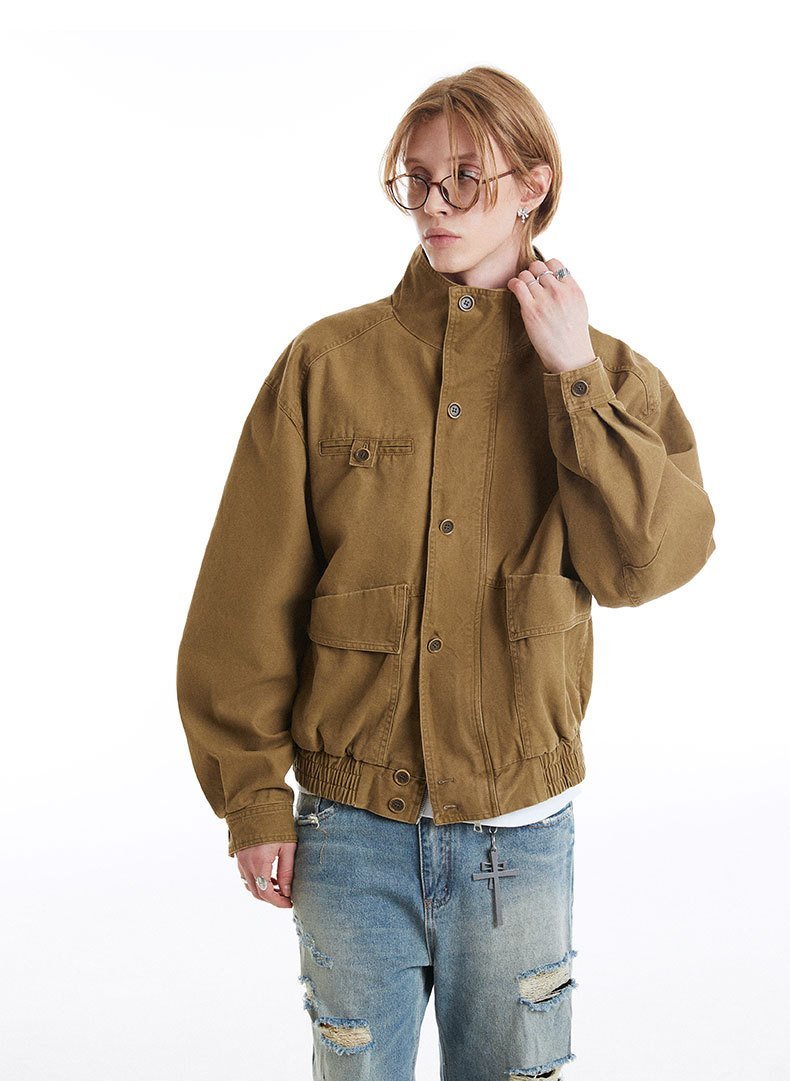
Buttons High-Collar Utility Jacket
Useful when an outfit needs shape and edge without switching into heavy evening styling.
 Sweater
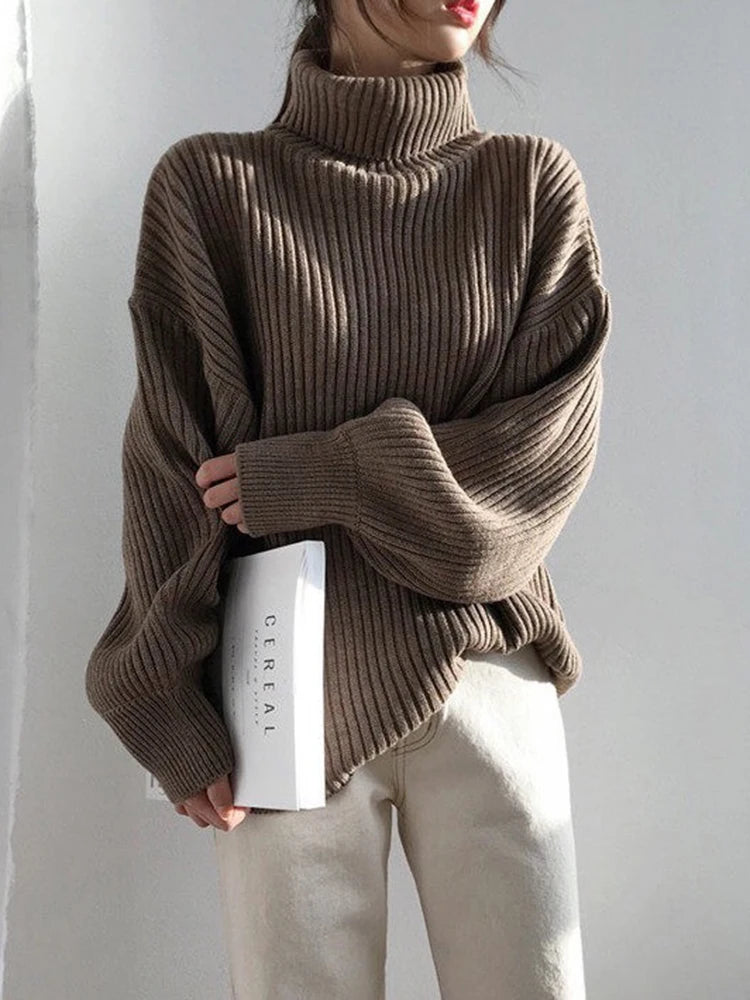
Chunky Turtleneck Knit Sweater
A reliable grounding piece for softer style worlds that need more substance and repeatability.
 Belt
Belt
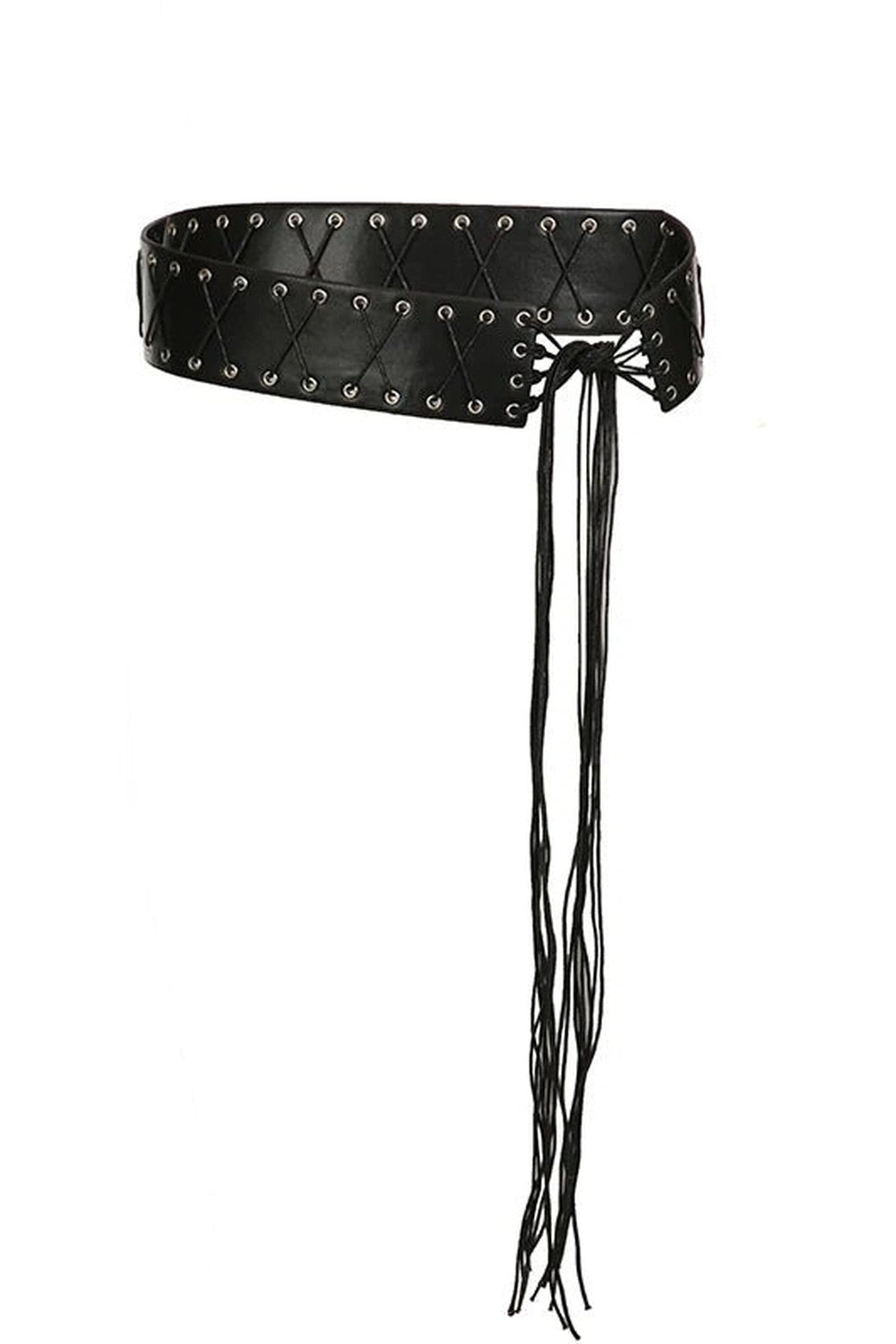
Alt Goth Lace-Up Corset Belt
A finishing piece that adds hierarchy fast when a dress or longer top needs a clearer waistline.
 Sunglasses
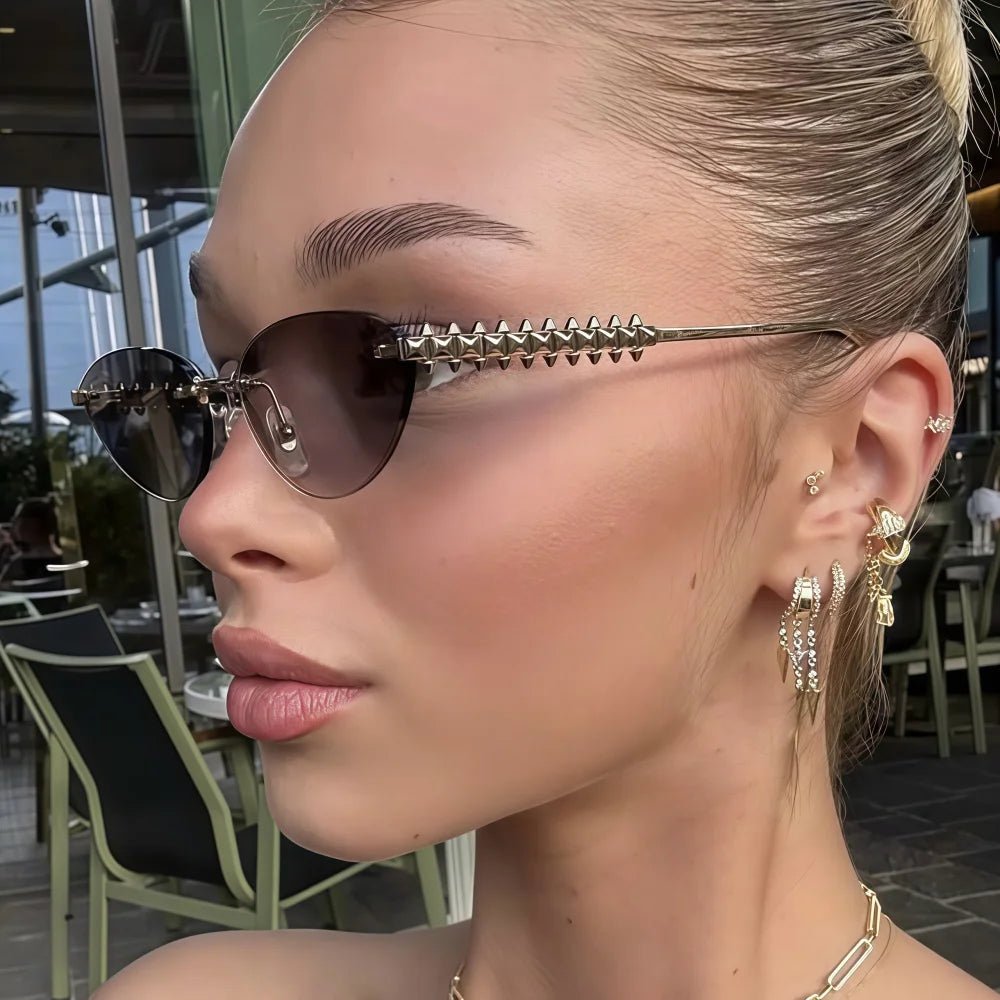
Edge Cat Eye Sunglasses
One of the fastest ways to sharpen a look that already has the right clothes but still lacks focus.
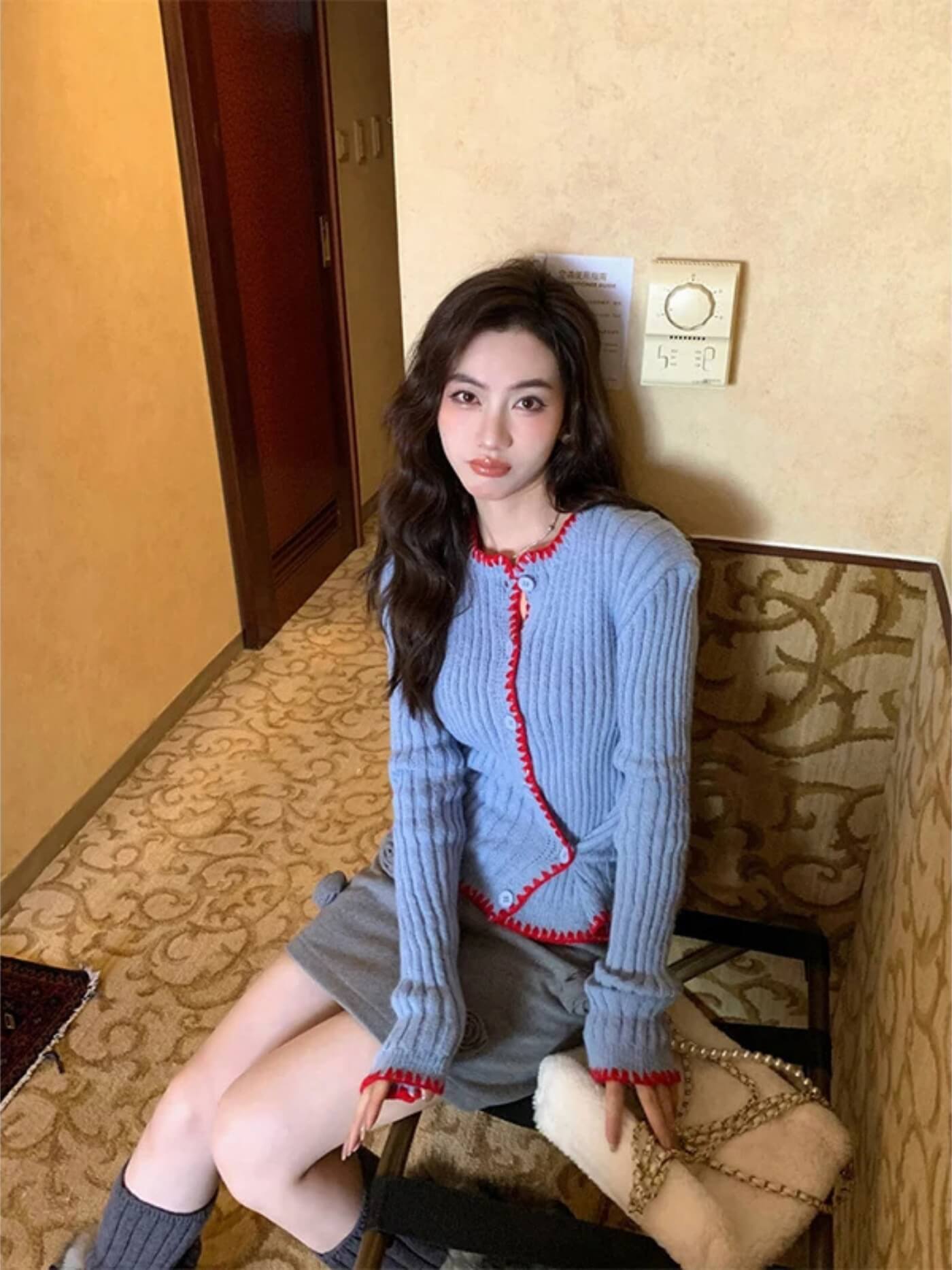 Sweater
Asymmetric Contrast Trim Knit Cardigan
A useful knit anchor when this look needs more grounding and repeat value.
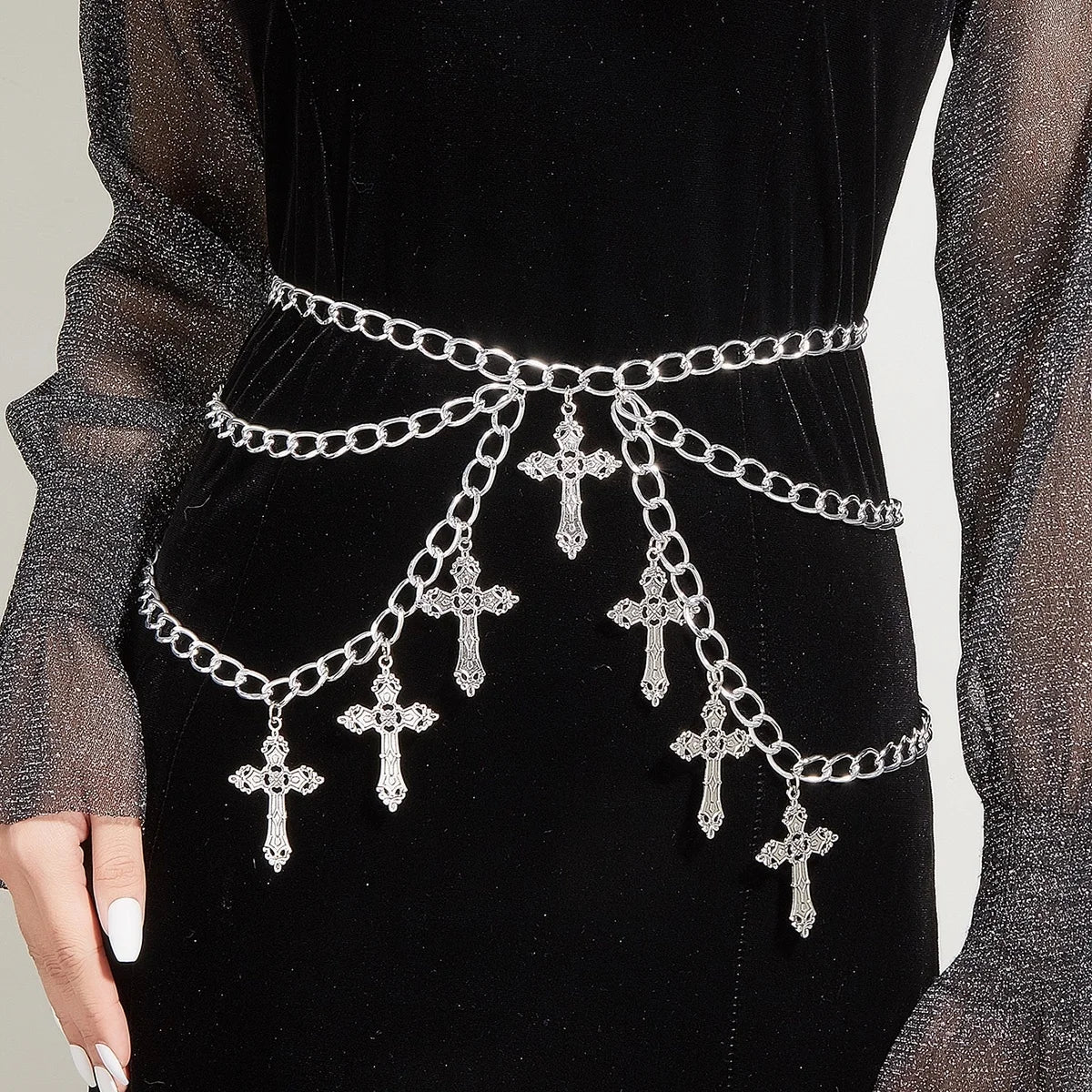 Belt
Belt
Cross Chain Waist Belt
A finishing piece that adds hierarchy and shape without forcing a full outfit reset.
 Sunglasses
Hexagon Sunglasses
A sharper finishing accessory that gives the outfit more clarity and visual control.
What to remember before you finish the outfit
- A finishing piece should solve a specific problem, not just add volume.
- Structure, contrast, and polish are more useful than extra decoration.
- Different trend worlds need different support pieces.
- The best supportive layer makes the focal piece easier to read.
FAQs
What makes an outfit look finished?
Most finished outfits have a clear focal point, enough structure to support it, and one deliberate finishing decision. That decision might be a layer, belt, shoe line, or sharper accessory, but it should clarify the outfit rather than crowd it.
What is the difference between basics and Studio Layers?
Basics fill the wardrobe broadly. Studio Layers fill a styling gap. They are the pieces you reach for when the outfit already exists but still needs shape, contrast, or polish.
How do you layer without hiding the main piece?
Choose one layer that frames the hero item instead of covering it completely. A blazer over a lace top or a jacket over a softer dress usually works better than adding a bulky layer that swallows the whole silhouette.
What should you add when an outfit feels incomplete?
Start by naming the problem. If the outfit feels soft, add structure. If it feels flat, add contrast. If it feels vague, add a finishing accessory that creates focus.
Where should you shop first for this kind of styling support?
Start with Studio Layers, then move into Tops or Bottoms depending on where the outfit still feels weak. That route keeps the solution practical and shoppable.