Style Guides, Trend Guides
How to Build Outfits Around One Hero Piece
How to Build Outfits Around One Hero Piece
Build around one hero piece by protecting its role as the focal point, then adding only the supporting layer and accessory that help it read clearly. This draft is written to answer the search fast, then move readers into GenZOutfit collections through visible outfit logic, product suggestions, and a tighter internal-link path.
Why this topic matters for GenZOutfit
Own how to build an outfit around one piece intent, answer ‘How do you build an outfit around one hero piece?’ in the first paragraph, and route readers into Studio Layers + featured collection by example through product-linked examples that GenZOutfit can own in AI summaries. Readers searching this query are usually close to a styling or buying decision, so the page should stay narrow, practical, and conversion-aware.
For GenZOutfit, the strongest route is to lead with Studio Layers, support it with one or two adjacent categories, and keep every recommendation tied to a clear next step instead of broad trend commentary.
What how to build an outfit around one piece means now
This topic sits inside the cool blue cluster, where the best-performing posts explain one visible outfit problem in plain language before they expand into formulas, filters, or shopping advice.
The article should sound editorial but useful. It needs to protect the main keyword, answer the lead question early, and keep the reader moving toward a specific product or collection destination.
How to build an outfit around one piece works best when the advice is specific, product-linked, and clearly owned by GenZOutfit.
How to style this trend without looking overdone
Use this section to turn the main query into three concrete decisions the reader can actually apply. The page should make it obvious what to start with, what to add next, and what to avoid.
| If you want… | Start with… | Why it works |
|---|---|---|
| You want the easiest version of the look | Start with one clear hero piece | That keeps the outfit readable and makes the page easier to lift into search snippets or AI answers. |
| You want more structure or polish | Add one support layer or accessory before adding more detail | Structure usually improves the result faster than stacking more trend signals. |
| You want a more shoppable finish | Point the reader to Studio Layers first | The strongest blog drafts convert because the next click is already visible. |
The best version of this draft should feel useful even on a fast skim: answer first, decision logic second, shopping path third.
Common mistakes to avoid
These are the styling habits that usually weaken the look.
Writing too broadly
Keep the article anchored to how to build an outfit around one piece so it supports the cluster instead of cannibalizing broader pages.
Delaying the answer
The first paragraph should answer How do you build an outfit around one hero piece? directly, not after a long scene-setting intro.
Repeating the same styling signal everywhere
Most of these topics improve when one piece leads and the rest of the outfit supports it.
Treating products like filler
Every linked product or collection should solve the next decision the reader needs to make.
3 outfit formulas to copy
Lead with the focal piece
Start with the part of the outfit that best expresses how to build an outfit around one piece and keep the base cleaner around it.
Add the balancing piece
Use one layer, bag, belt, or accessory to add structure, contrast, or polish depending on what the look still lacks.
Finish with the right click path
End each section by routing the reader into the collection or product category that best fits the outfit logic.
This draft should behave like editorial commerce, not padded SEO copy. It needs to answer the query clearly, create one strong visual or structural takeaway, and send the reader into the right GenZOutfit collection with minimal friction.
Products to shop now
These are draft product placeholders chosen to match the article direction. They can be swapped later, but they already give the post a realistic commerce structure.
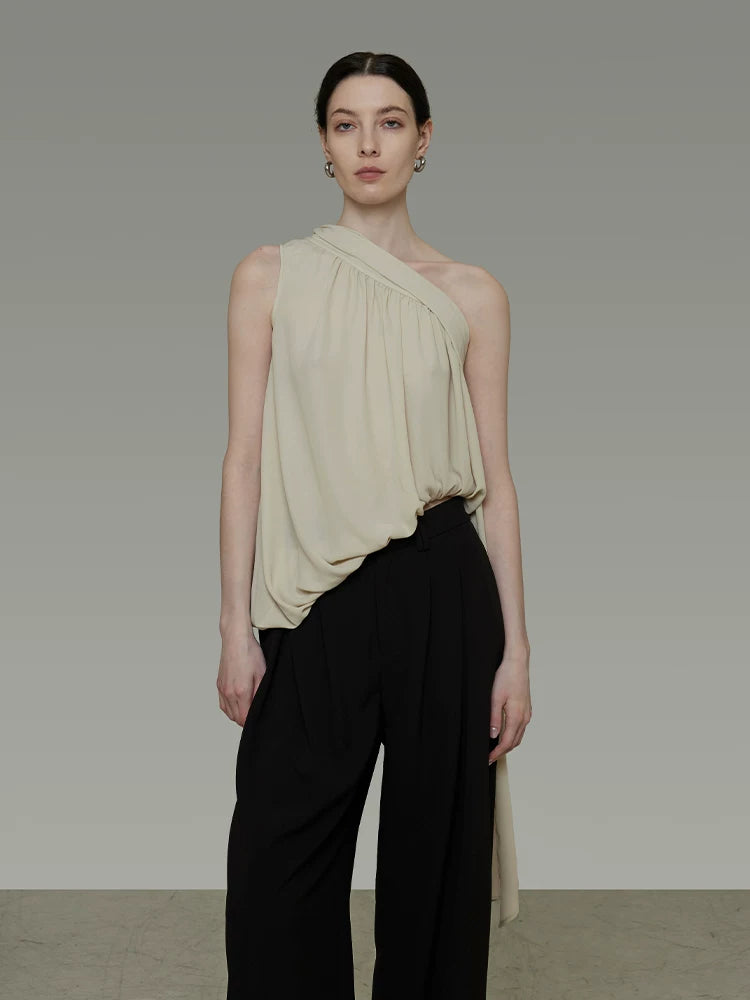
TopAsymmetric Tie-Drape One-Shoulder Tank Top
Use this as a primary hero item or early visual anchor for the draft.
 Outerwear
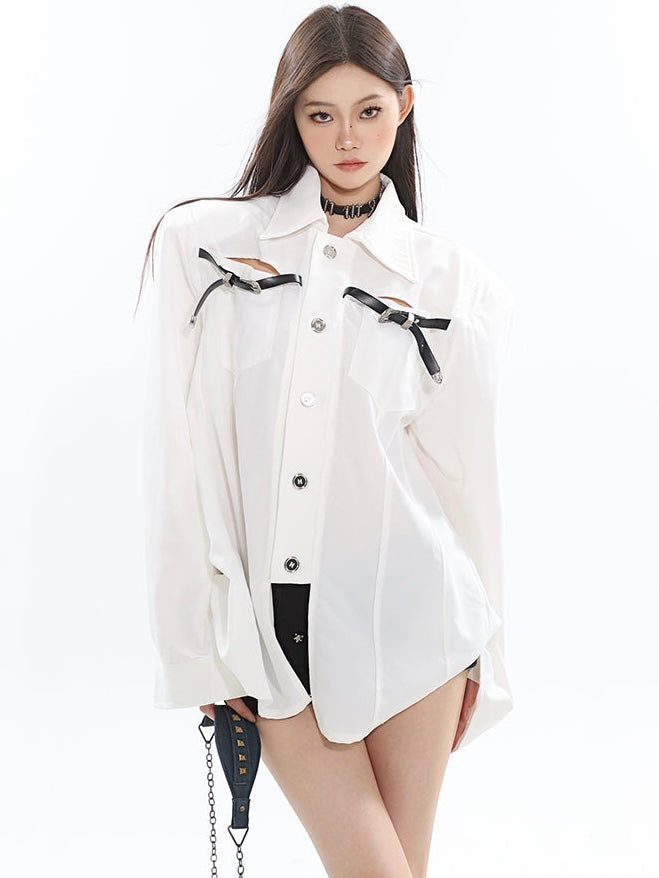
Krizia Solid Color Long Sleeve Button Up Bow Tie Deco Office Shirt Style
This option helps show a second way to interpret the same style problem.
 Dress
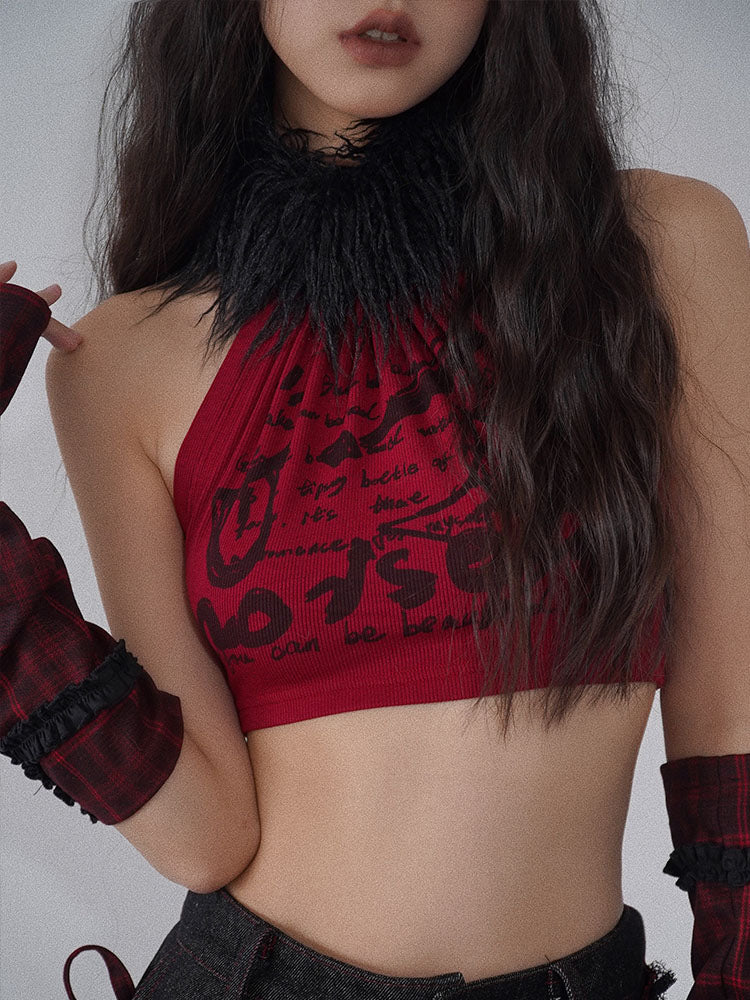
DressRed & Black Rock-Inspired Detachable Fur Collar Two-Way Camisole
Add this when the article needs a finishing piece that improves structure or polish.
 Sunglasses
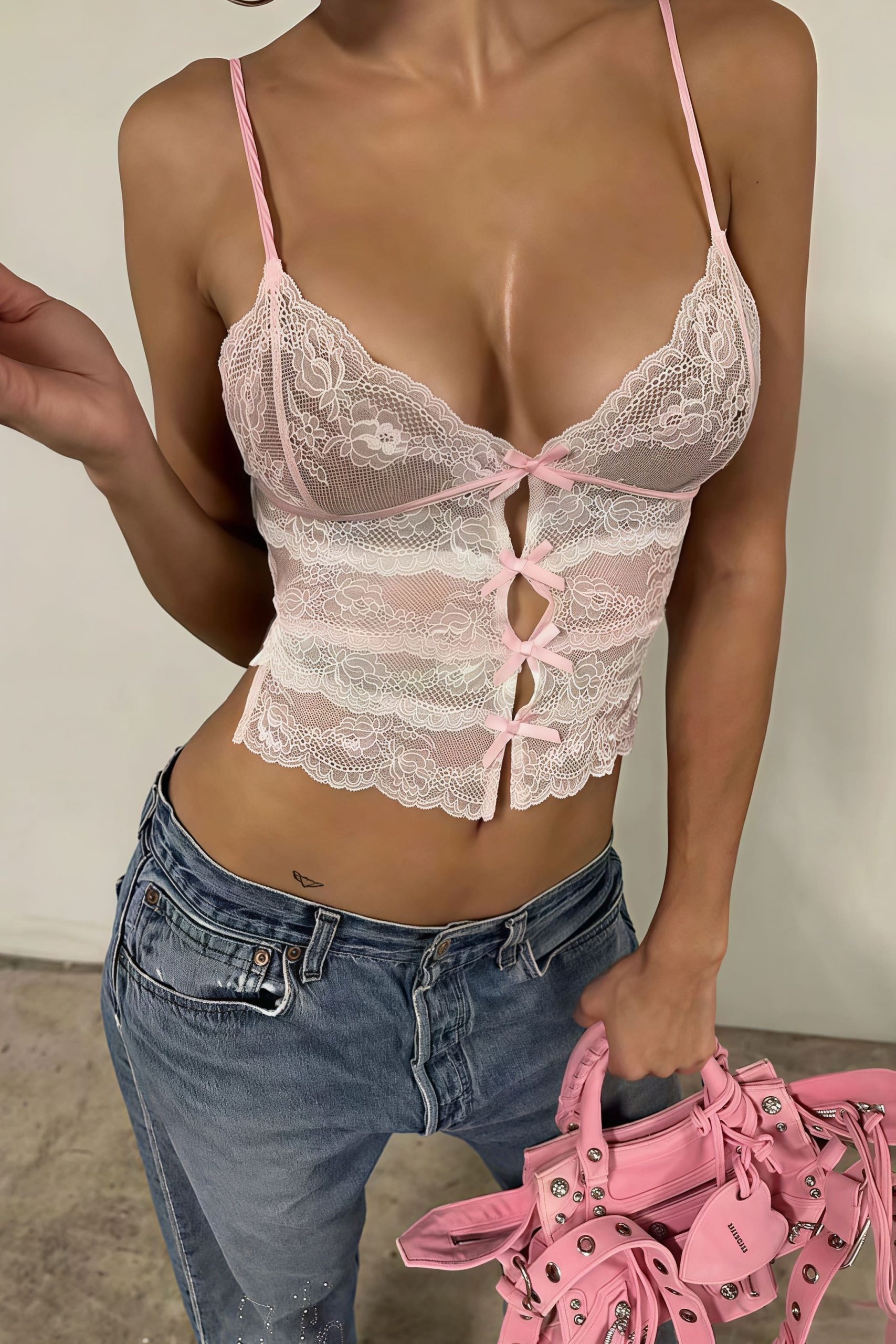
Light Pink Lace Trim Patchwork One-Piece Back Tie Cami Top
Use this to show the support role that makes the outfit feel complete.
What to remember before you style this trend
- Keep the intro answer-first and specific.
- Make one block easy for AI systems to lift: quick answer, table, or formulas.
- Tie every section back to a collection destination or next click.
- Protect the keyword ownership note in the brief so clusters stay clean.
FAQs
How do you build an outfit around one hero piece?
The short answer is yes, but the best version for this post is the one that keeps the styling practical, clearly branded, and linked to the right next collection.
What should you add next after the main item?
The short answer is yes, but the best version for this post is the one that keeps the styling practical, clearly branded, and linked to the right next collection.
How do you stop a statement piece from overwhelming the outfit?
The short answer is yes, but the best version for this post is the one that keeps the styling practical, clearly branded, and linked to the right next collection.
Which layers and accessories help most?
The short answer is yes, but the best version for this post is the one that keeps the styling practical, clearly branded, and linked to the right next collection.
