
Pet Gift Guides
Grieving the Loss of a Pet: Coping, Saying Goodbye and Support

Grieving the loss of a pet can hurt as much as any other loss, because a pet is part of your daily life and your family. There is no right way or right timeline. This guide covers what grief after a pet dies can look like, small ways people cope, ideas for saying goodbye, and where to find support if you need someone to talk to.
Grieving the loss of a pet: is it normal to hurt this much?
Many people are surprised by how hard the loss of a pet hits them, and some feel they aren’t allowed to grieve “just” an animal. But a dog or cat is woven into the smallest parts of a day: the walk before work, the sound at the door, the weight at the foot of the bed. When they’re gone, every one of those moments notices the gap.
The bond is real, so the loss is real. Some people cry for days. Some feel numb, or keep busy, or find the sadness arrives weeks later. Some feel guilt about a decision they made with the vet, even when they made it out of love.
None of these means you’re grieving wrong. If someone around you doesn’t understand, that says more about their experience of pets than about yours. You don’t need anyone’s permission to miss a friend who shared your home for years.
What grief after a pet dies can look like
Grief when a pet dies often shows up in ordinary moments. Common experiences include:
- Listening for their footsteps, or looking for them in their usual spot.
- Finding mealtimes, walks or bedtime hard because the routine was built around them.
- Replaying the last days and wondering whether you could have done something differently.
- Feeling fine for a while, then being caught off guard by a toy under the couch or a photo on your phone.
- Missing your dog or cat most on anniversaries, holidays and the first days of a new season.
If you keep thinking “I miss my dog” or “I miss my cat” in the middle of an ordinary day, you’re far from alone.
Ways to cope with the loss of a pet
Dealing with pet loss doesn’t follow a checklist, but some small steps help many people. Take what feels useful and leave the rest.
- Let it take the time it takes. There’s no deadline for feeling better.
- Talk to people who knew them. Sharing stories with someone who also loved your pet can be a comfort.
- Write it down. A letter to your pet, or a list of the things you’ll remember, gives the feelings somewhere to go instead of circling around at night.
- Adjust the routines gently. A different route for your morning walk, or a new evening habit, can soften the hardest times of day.
- Look after the basics. Sleep, meals and a little time outside matter more than usual in the first weeks.
- Wait on big decisions. Whether and when to welcome another pet is your call, and there’s no right moment.
When the loss was sudden, or came after a long illness
How a pet died often shapes the first weeks. A sudden loss, from an accident or an illness found too late, can leave you replaying the last ordinary day and wishing you’d had time to say goodbye. Writing down what you would have said can help.
After a long illness, the grief can arrive mixed with exhaustion. You may have spent months on medicines, vet visits and watching for changes, and the quiet afterward can feel strange. Many people find they miss the caring routine as well as the pet. Both experiences are common, and neither has a right way through.
Saying goodbye to your dog or cat
A small ritual can help mark the loss, whether it happens right away or weeks later. Saying goodbye to your dog might mean one last walk of their favorite route in their memory. For a cat, it might mean sitting a while in the sunny spot they claimed. Other ideas people choose:

- Gathering family or friends to share a favorite story each.
- Planting something in the garden or in a pot by the window.
- Making a small photo album of their best and silliest moments.
- Donating unopened food or supplies to a local shelter, when you’re ready.
There’s no rule about what to keep. Some people keep a collar or a favorite toy. Others find it easier to pack things away for a while.
Where can you find support?
Talking helps, and you don’t have to do it alone. A few options:
- Pet loss hotlines. The Cornell University Pet Loss Support Hotline (607-218-7457) is staffed by trained veterinary student volunteers, Monday to Friday 6–9 p.m. and Saturday and Sunday 12–9 p.m. Eastern. A hotline can help on evenings when friends are busy, because the person who answers is there to listen about a pet.
- Your vet’s office. Many clinics know of local pet loss support groups.
- A counselor or therapist. If grief makes daily life hard for weeks, talking to a professional can help.
- Urgent support. If you’re having thoughts of harming yourself, call or text 988 in the US to reach the Suicide and Crisis Lifeline.
Sources: Cornell University College of Veterinary Medicine, Pet Loss Support Hotline.
Keeping their memory close
For some people, a favorite photo somewhere visible brings comfort: a framed print by the door, a new phone background, a small album on the shelf. A favorite everyday photo often works better than a formal portrait, because it shows the pet the way you remember them.
Some people light a candle on the anniversary, or write the pet’s name on a stone in the garden. Small rituals like these cost nothing, and they can return every year for as long as they help.

If words help more than objects, our collection of pet loss quotes has short lines you might use in a journal or a card. And if a friend has lost a pet, our guide on what to say to someone who lost a pet has gentle messages to send.
Frequently asked questions
How long does grief last after a pet dies?
There’s no set timeline. For some people the hardest part lasts weeks, for others months, and many feel waves of it on anniversaries for years.
How do you grieve the loss of a pet when others don’t understand?
Look for people who do: friends who’ve lost pets, online pet loss groups or a pet loss hotline. Your grief doesn’t need anyone else’s approval.
Is it okay to get another pet?
Yes, whenever you’re ready, and only if you want to. A new pet doesn’t replace the one you lost, and there’s no right or wrong time.
What should I do with my pet’s things?
Whatever feels right. Some people keep a collar or toy, some donate supplies to a shelter, and some pack things away until they’re ready to decide.
How can I support a friend grieving a pet?
Use the pet’s name, share a memory if you have one, and offer something specific, like dinner or a walk. Short messages are often the kindest.
A gentle gift, if you’re looking for one
If you’re thinking of a memorial gift, for someone else or for yourself, these notes may help. A photo blanket can be a gentle gift, and a card on its own is always enough.
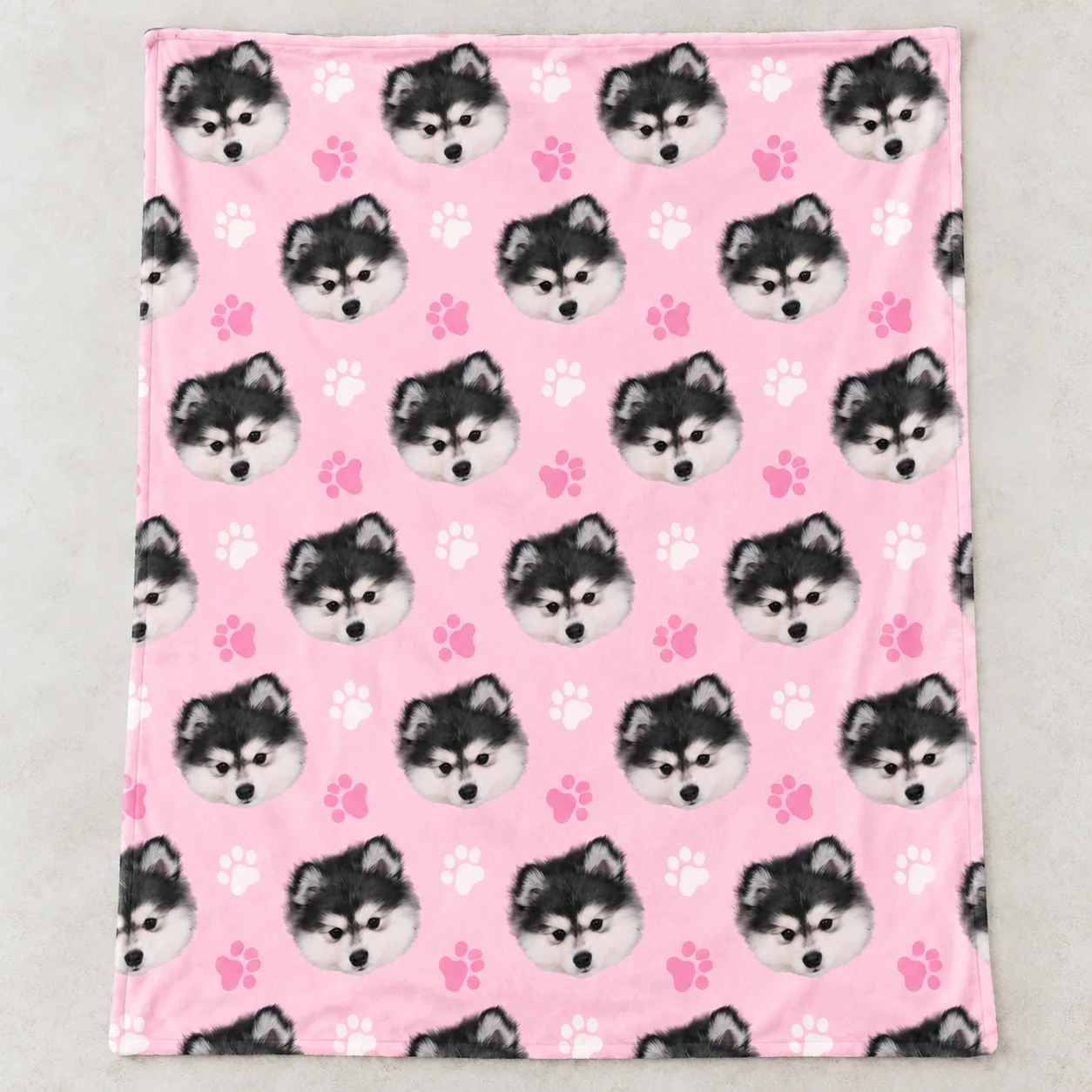
At GenzOutfit we print photo blankets and socks from a picture of the pet, and blankets can carry the pet’s name (up to 12 characters). A person on our team checks every photo, which means you hear from us before anything prints.
- A dog mom or cat mom: the house feels empty at the old walk times. Her favorite photo on a blanket can rest in their spot.
- A dog dad who grieves quietly: he may worry that flowers feel wrong. Socks with his dog’s face are a small, private way to carry him along.
- A cat lover: others may assume losing a cat hurts less, so the grief stays private. A photo of the cat in its sunny spot says the loss counts.
- A friend or coworker who lost their dog: you may worry a gift will hurt. Start with a note from our sympathy messages.
- A family grieving together: everyone misses the pet differently. One blanket on the family couch gives them a shared place to remember.
- A couple who raised a pet together: evenings feel different without their pet. A photo of the three of them becomes a keepsake they share.
- Grandparents of a grand-dog: living far away, they may feel they missed the last visits. A photo from a happy day gives them something to hold.
- Someone who adopted again: a new puppy can stir up guilt and grief at once. A photo of the first pet honors both, with no need to choose.
- Someone facing the first holidays without them: calendar dates bring the grief back. A keepsake given a little before, with no pressure, can soften the day.
- A neighbor whose pet passed away this week: you’re not sure what is welcome yet. Send the card first; a memorial keepsake can wait.
- A home where two dogs became one: the dog left behind seems lost too. Choose the number of pets, and one blanket holds both faces.
- Yourself: some people hesitate to buy anything for their own grief. A small keepsake for yourself, just because you miss them, is allowed.
If you do order, this is what applies in the cart. There’s nothing to rush.
Ordering for the family? Mix any styles and sizes: one for you, one for them. Your cart always shows the final price.
- 2 items: 15% off, added automatically in your cart
- 3 or more items: 20% off, added automatically in your cart
- Free shipping from 2 items
- Just one? Code PETPJ20 takes 20% off at checkout
- Problem with your order? If it arrives damaged, misprinted or wrong, email us photos within 14 days of delivery and we reprint it or refund you
When you feel ready, see the pet memorial gifts.
Have a clear photo of the pet? Pick a product and upload it on the product page.
